

Overview
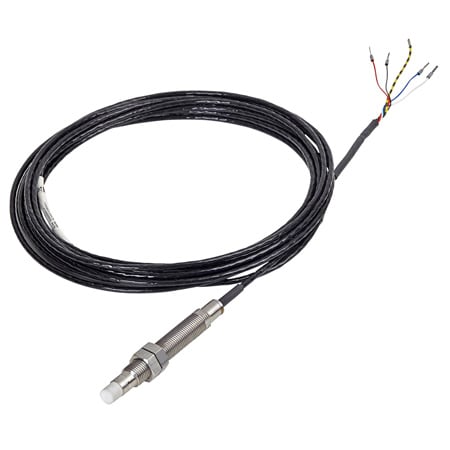
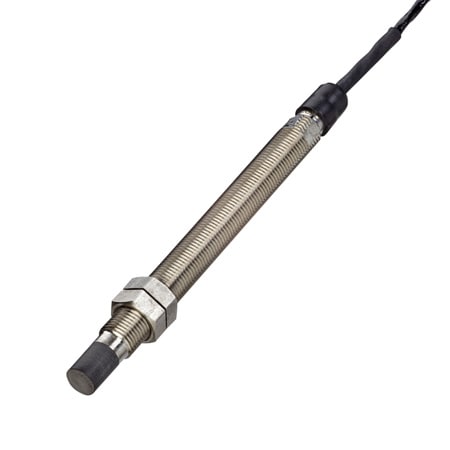
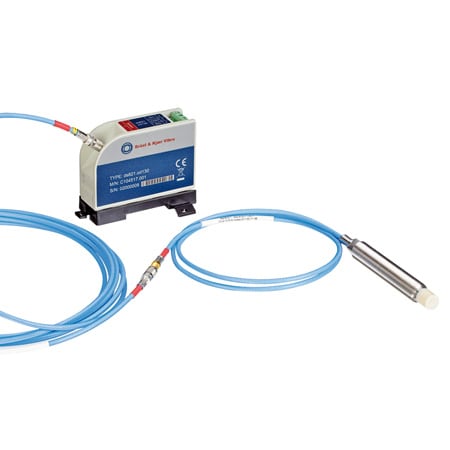
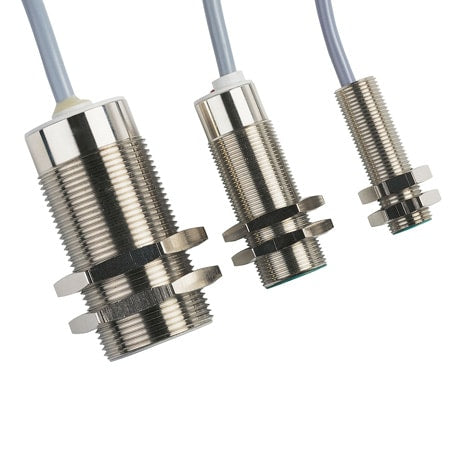
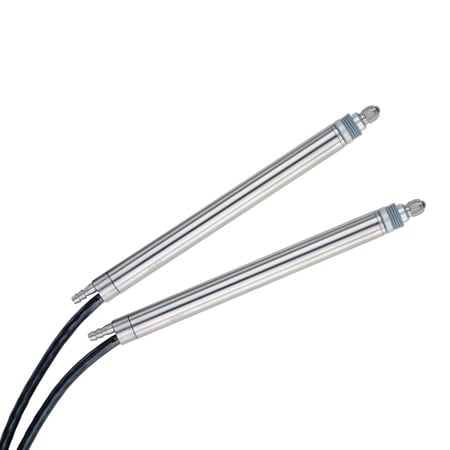
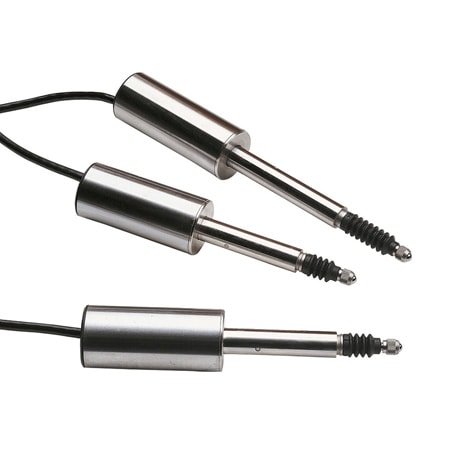
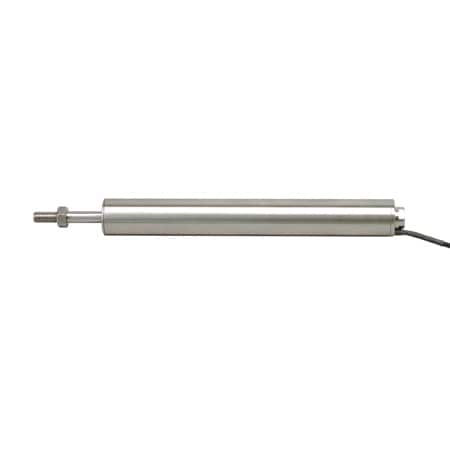
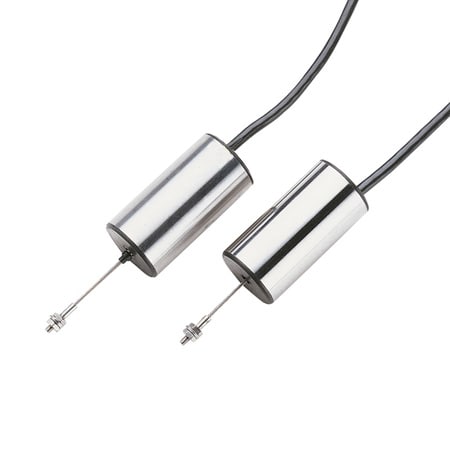
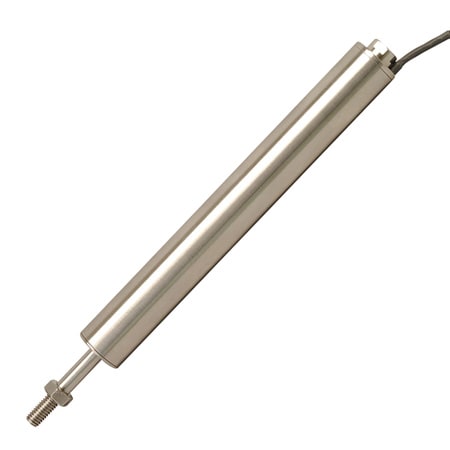
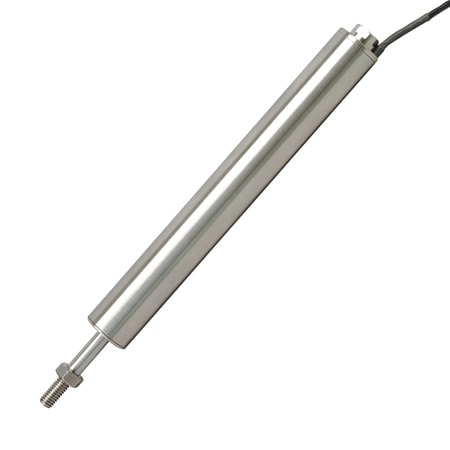
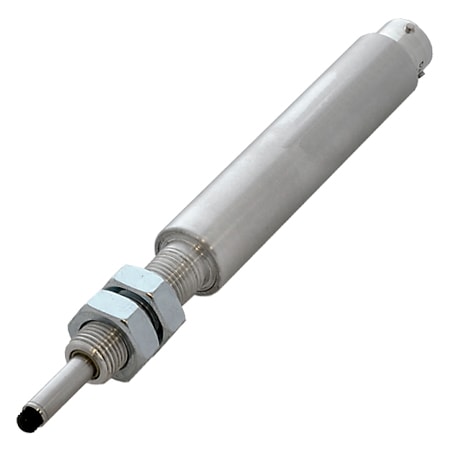
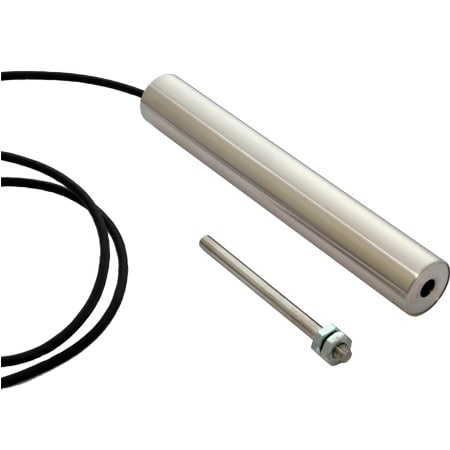
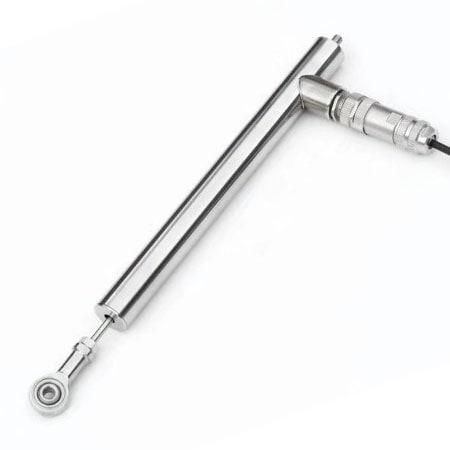
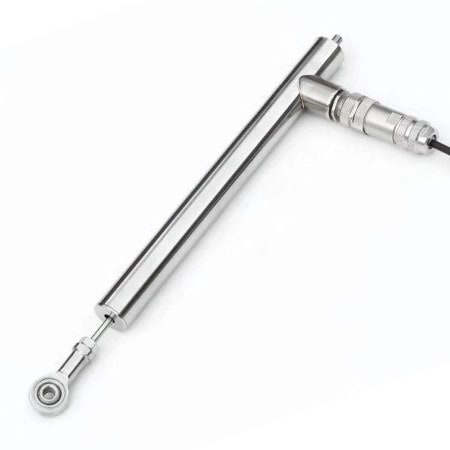
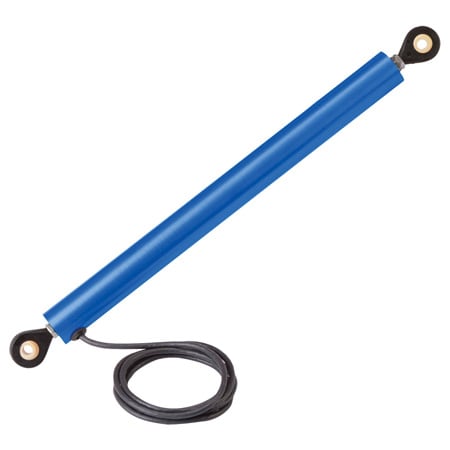
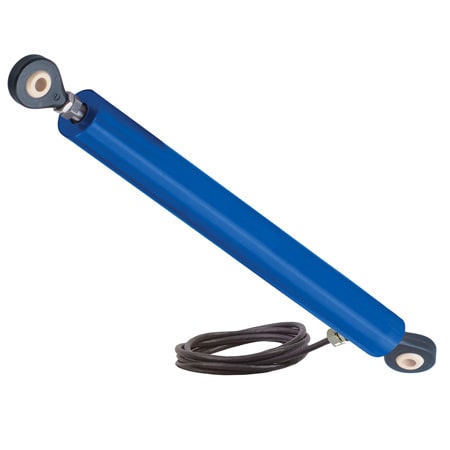
Displacement transducers convert physical motion or linear distance into an electrical signal, enabling precise measurement of position, gap, or movement. At HK Calibrations, our range includes both contact and non-contact displacement sensors such as LVDTs, LVITs, spring probes, and pneumatic gauges each built to deliver high accuracy, repeatability, and durability. Whether for harsh industrial environments or sensitive laboratory setups, these instruments are built for excellence and are backed by full calibration readiness and local technical support.
Key Benefits & How They Help Your Processes
-
Improved Quality Control: Detect small variations in position, thickness, or movement that would be missed with less precise measurement tools.
-
Preventative Maintenance: Monitor wear, misalignment, or mechanical drift over time to avoid costly failures before they happen.
-
Automation & Motion Control: Useful in robotics, CNC machinery, and linear actuators where precise position feedback is essential.
-
Reduced Downtime: With sensors built robustly and calibrated properly, fewer replacements and less adjustment are needed in the field.
-
Traceable Accuracy: Calibration services ensure your transducers have known uncertainty and performance important for regulated environments or critical applications.
