
Calibration Weights Australia

5 products

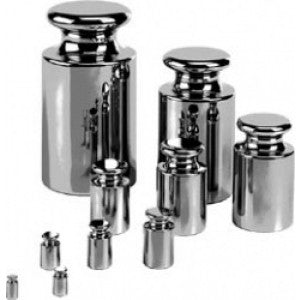
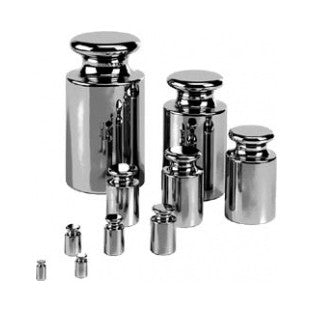
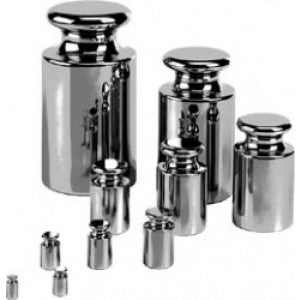
The Calibration Weights Collection comprises precision-grade weight sets essential for validating and calibrating weighing instruments. Made from carefully selected materials like stainless steel or brass and manufactured to exact tolerances, these weights ensure traceable accuracy. Sets typically include a range of designated masses, from milligrams to kilograms, and may come with protective packaging to preserve integrity. Used by labs, production facilities, and calibration services, these weights maintain scale accuracy and support compliance with quality and metrology standards.

Frequently Asked Questions

Lower class numbers indicate higher precision and tighter tolerances, with Class 0 being the most accurate for primary laboratory standards. Class 4 weights are typically used for less critical industrial scales where extreme precision is not required.

Weights are often made from stainless steel or brass to resist corrosion and wear, which could alter their precise mass over time. High-grade materials ensure the weights remain stable and maintain their certified accuracy during repeated use.

Weights should be handled with tweezers or gloves to prevent oils from skin affecting the mass and stored in protective cases. Proper storage prevents dust accumulation and physical damage that could compromise the weight's calibration status.

Traceable certificates are usually provided to prove the weights meet specific ASTM standards and are linked to national measurement institutes. These documents are vital for maintaining compliance during quality audits and metrological inspections.

Yes, the range from milligrams to kilograms allows them to be used for everything from sensitive analytical balances to heavy-duty floor scales. Choosing the correct ASTM class ensures the weight is appropriate for the scale's specific resolution and accuracy.

Weights should be periodically checked and certified by a professional laboratory to ensure they haven't lost or gained mass due to environmental factors. Regular recalibration intervals depend on the frequency of use and the criticality of the measurements being performed.