
Infrared & Thermal Imaging

18 products

Heat reveals a great deal about how equipment and buildings are performing, long before anything obvious goes wrong. Our infrared and thermal imaging instruments let Australian electricians, maintenance teams and building inspectors read that heat quickly and without contact, catching problems while they are still cheap to fix. 

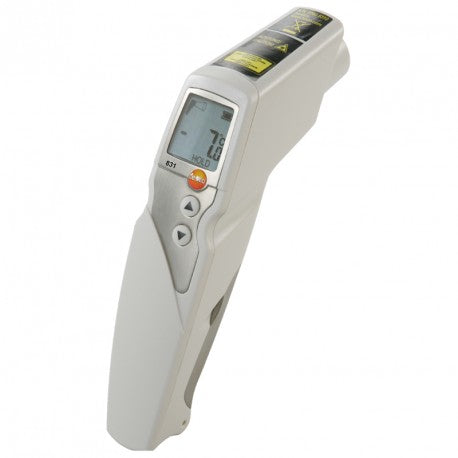
The range suits two levels of work. Infrared thermometers take fast, non-contact spot temperatures, handy for checking a bearing, a motor or a process surface in seconds. Thermal imaging cameras go further, showing a full temperature picture across a scene, so a hot connection, an overloaded circuit, a failing bearing or a hidden moisture problem stands out at a glance. 

Choosing between them depends on whether you need a single reading or the whole heat map, and on the resolution and range your work demands. Our team can help you match the instrument to the inspections you carry out. 

A temperature reading guides real decisions, so accuracy counts, and instruments drift over time. We calibrate the equipment we sell, with ISO 9001 certified processes and traceable results that stand up to audit and compliance review. 

We deliver to trades, maintenance teams and inspectors across Australia. Not sure whether a spot thermometer or a thermal camera suits your work? Ask our team for a clear recommendation.

Frequently Asked Questions

An infrared thermometer measures the temperature of a single spot you aim at, giving one number fast. A thermal camera captures temperature across an entire scene as an image, so you can see hot and cold areas at once. The camera suits scanning, the thermometer suits quick checks.

Loose connections, overloaded circuits and failing components run hotter than they should. A thermal camera makes that excess heat visible as a bright area, letting an electrician spot the problem without contact and while equipment is running. Catching it early prevents failures, outages and potential fires.

No, and that is a key advantage. They read the infrared energy a surface emits from a distance, so you can safely check moving,energised, hot or hard-to-reach objects. Just keep within the instrument's distance-to-spot ratio so you measure the target and not the surroundings.

Emissivity describes how efficiently a surface radiates heat, and it affects the accuracy of an infrared reading. Shiny metals read poorly unless adjusted for, while matt surfaces read well. Many instruments let you set emissivity, and understanding it helps you take accurate, trustworthy temperature measurements.

Yes. Infrared thermometers and thermal cameras drift over time, and an inaccurate reading can mask a fault or trigger a needless repair. Calibration confirms the instrument measures temperature correctly, which matters for inspections and reports. We calibrate the thermal equipment we supply and provide traceable results.

Electrical maintenance, building inspection, HVAC, manufacturing, automotive and energy auditing all rely on it. Applications range from finding hotelectrical joints and failing bearings to locating heat loss, damp and insulation gaps in buildings. Anywhere temperature signals a developing fault, thermal imaging speeds up diagnosis.

Yes. We stock infrared thermometers and thermal imaging cameras and ship nationwide to trades, maintenance teams and inspectors. Tell us your inspection tasks, the temperature range and whether you need spot readings or full images, and we will recommend a suitable instrument backed by calibration.