

Gas Detection & Refrigeration Tools

25 products

In refrigeration and gas work, the right instrument protects people as much as it protects the system. Our gas detection and refrigeration tools give HVAC-R technicians, service crews and safety teams the means to find leaks, monitor hazardous atmospheres and keep systems running safely and efficiently. 

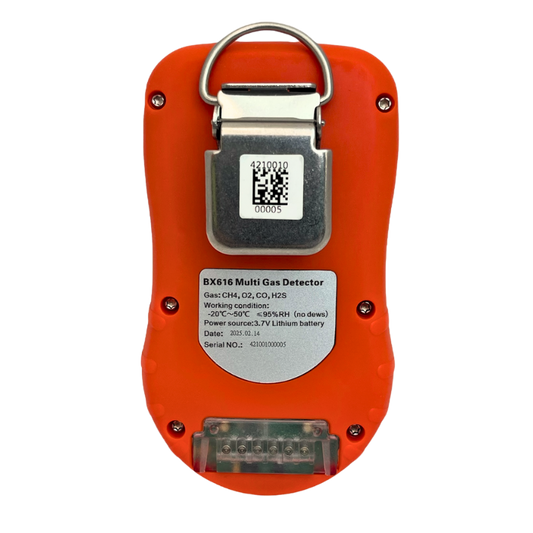
The range serves two connected jobs. Gas detectors and monitors warn of flammable, toxic or oxygen-deficient conditions, which is vital for confined space entry and everyday worksite safety. Refrigeration tools such as manifold gauges, refrigerant leak detectors and vacuum pumps let technicians charge, evacuate and service systems correctly. 

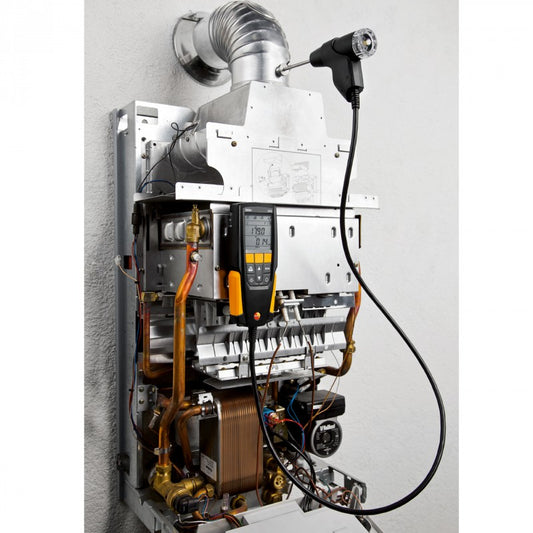
You will find portable single-gas units, multi-gas monitors and a solid selection of servicing kit, including instruments from names like Testo. Together they cover installation, maintenance and emergency response across commercial and industrial settings. 

Where safety is on the line, a false reading is dangerous, so these instruments must be checked and adjusted regularly. We calibrate the gas detection equipment we sell, with ISO 9001 certified processes and traceable results, and bump testing keeps portable detectors trustworthy between full calibrations. 

We deliver to HVAC-R contractors, industrial sites and safety teams throughout Australia. Unsure which detector or refrigeration tool suits your work? Talk to our team for a straight recommendation.

Frequently Asked Questions

It depends on the sensor fitted. Common targets include carbon monoxide, hydrogensulphide, methane and other flammable gases, plus oxygen level monitoring. Single-gas units focus on one hazard, while multi-gas monitors track several at once, which suits confined space work where more than one risk is present.

A bump test briefly exposes a detector to gas to confirm the sensors and alarms respond, and it should happen often. Calibration goes further, adjusting the instrument so its readings are accurate against a known concentration. Bothmatter,and neither fully replaces the other in a safetyprogramme.

Electronic refrigerant leak detectors sense escaping gas near joints, fittings and coils, and they are the quickest way to pinpoint a fault. Technicians often pair them with pressure testing and visual checks. Finding and fixing leaks early protects system performance and reduces refrigerant loss to the atmosphere.

Manifold gauges let a technician read system pressures while charging or diagnosing a refrigeration unit. A vacuum pump removes moisture and air before charging, which prevents corrosion and poor performance. Used together, they are core to installing and servicing air conditioning and refrigeration systems correctly.

Follow the manufacturer's guidance, though many portable detectors are calibrated every six to twelve months, with bump tests far more frequently. Harsh environments and heavy use call for shorter intervals. Because lives can depend on the reading, keeping to a firm schedule is one safety step worth never skipping.

Many are designed for it. Multi-gas monitors that check oxygen along with flammable and toxic gases are standard for confined space entry, and models with pumps allow pre-entry sampling. Always confirm the instrument matches your site's hazards and procedures before relying on it.

Yes. We stock gas detection and refrigeration equipment and ship to HVAC-R contractors, industrial sites and safety teams across Australia. We also calibrate the gas gear we sell, so you can source instruments and keep them compliant through the one supplier. Contact us with your requirements.